Posted on Monday, October 10, 2011
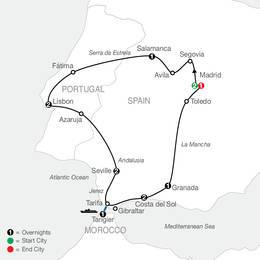
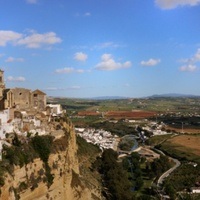
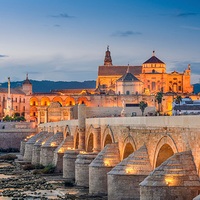
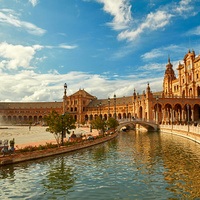
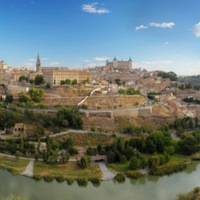
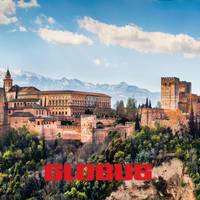
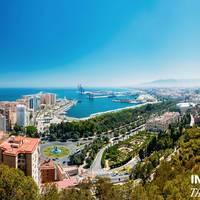
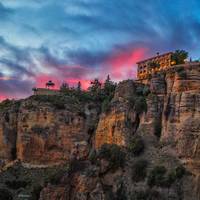
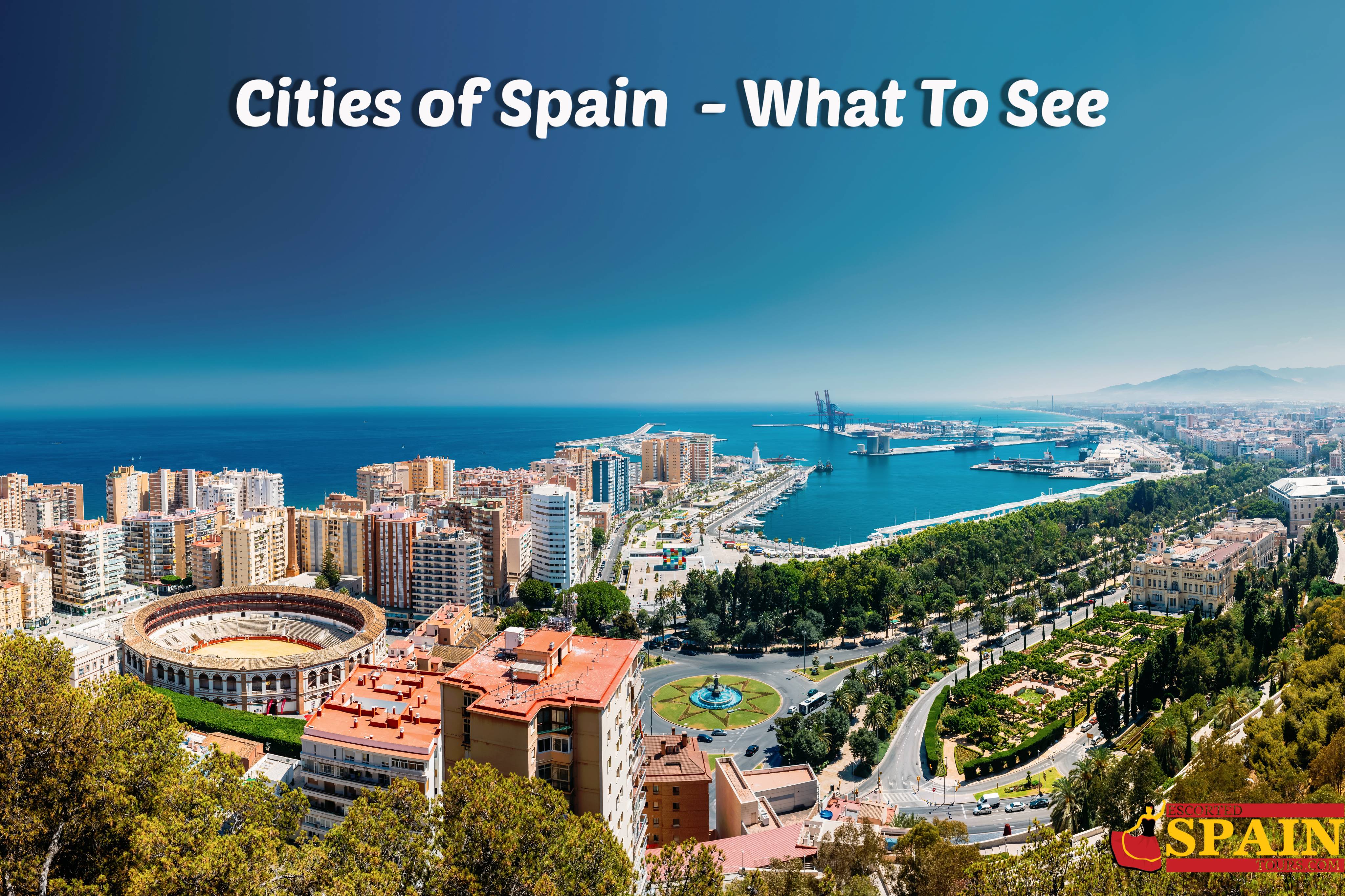
Andalucía is the second largest of the Spanish regions and is situated in the south of Spain overlooking the Mediterranean Sea and the Atlantic Ocean. Seville, Jerez, Caldiz, Granada, Alambra, and Cordoba are all in this region.
It's mild climate all year around and the cultural blend of its architecture make this region a unique corner of Spain to visit. Monumental cities, enchanting villages, superb golfing and vacation resorts paired with great cuisine and the passionate Flamenco shows and you're in for a wonderful experience.
Tags: madrid , spain tour , spain tours , spain travel tour , spain travel tour
Posted on Tuesday, September 13, 2011
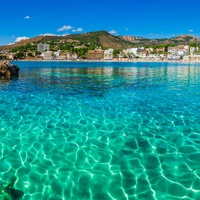
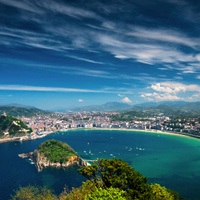
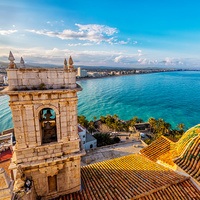
This island enclave is often described as a mini-Barcelona, with Gothic feel that has overtaken centuries of Roman and Moorish culture. You may want to visit the newly opened El Baluard, the Museum of Modern and Contemporary Art, which was built on the site of the remnants of the 16th century Bastio de Sant Pere, or shop for bargain pearls at the city's many jewelers.
Posted on Wednesday, August 17, 2011
Tags: la coruna spain , spain tour , spain tours , spain travel , spain travel blog
Posted on Monday, August 08, 2011
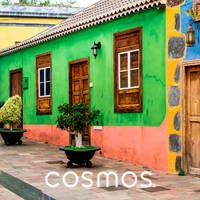
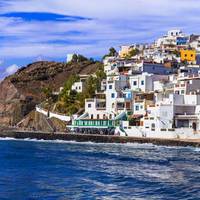
The island of Gran Canaria is third in size in the archipelago, after Tenerife and Fuerteventura. It has a surface area of 1,532m2 and its most outstanding features are the ravines which come down from the central peaks - which are over 2,000m high - to the shore. There is no other place with such an eloquent variety of little known scenery. There are desert and sandy areas as well as mountains with lush, tropical vegetation. In Gran Canaria, the steep cliffs of El Puerto de la Nieves and de la Aldea together with the rugged ravines of Tirajana, Moya and Azuaje alternate with pleasant valleys where thousands of banana-trees grow and which - like the Arucas - gently descend towards the sea. Gran Canaria has not in vain been called a continent in miniature, because beginning by La Cumbre (a 2,000m peak) with its granite masses of El Roque Nublo, nature has provided for all kinds of scenery, where plants from Europe, Africa and America grow (the Tamadaba pine forests, Los Tilos - lime-trees -, the El Monte vineyards, the coffee plantations at Agaete, palm forests, banana-trees, almond-trees, sugar cane and tomato crops).
Las Plamas, the capital of the province, is the largest city of the archipelago, a prosperous, beautiful place with 370,000 inhabitants and the largest port in GRT in Spain. Its airport receives the most important airlines, with flights from Europe, Africa and America. The capital has the attractions of a large city, with excellent hotel and catering facilities, night clubs, international shows, an intense social life and an ample calendar of festive occasions and celebrations throughout the year. A must in this modern, active city is the noble, peaceful old area of Vegueta, where one finds stately old houses with impressive, private inner courts and with artistically worked balconies facing onto narrow streets and sheltered squares.
The Old city has the most important sights; the Gothic-neo-Classical cathedral, which was begun in 1497, Columbus House, the residence of the first governors of the island, which is a lovely building housing an interesting museum about the times of Columbus, the Canary Museum, which has the most complete collections of the traces left by the Guanches, the pre-Spanish inhabitans of the islands. Interesting churches include San Francisco's and the Hermitage of San Telmo, which has a Mudéjar coffered ceiling. The Provincial Fine Arts Museum, the House cum-Museum of Pérez Galdós and the Néstor Museum round off the treasure of art, architecture and history in the city. In the splendid Doramas Park there is an area called the Canary Village, a creation of the artists Néstor. It is an expressive sight of Canary architecture. Against this exceptionally beautiful background, popular dances and songs are performed on Thursdays and Sundays.
Posted on Saturday, July 30, 2011
In the Galician province of Pontevedra, situated on the shores of the Atlantic Ocean, lies the city that lends its name to the southernmost estuary of the Rías Baixas: Vigo. This city is an excellent base from which to visit the towns and villages along the Vigo estuary and the Cíes Isles that form part of the National Park of the Atlantic Islands.
The cuisine of the Galician coast, based on fish and seafood, is an added incentive for visiting this region. The port of Vigo, one of the finest natural ports in the world, was the origin of this city fringed by mountains. Its maritime qualities, already exploited in Roman times, have given rise to the present-day marinas and the transatlantic harbour, as well as to the fishing and canning industries. All of this has contributed to the urban development of Vigo, which includes the traditional port area and boasts major historic buildings and wide tree-lined avenues.
The historic quarter, the so-called Cidade Vella, is articulated around the old maritime quarter of O Berbés, near the port. Situated in this quarter, which has Tourist-Historical Interest status, are the arcades around the Plaza de la Constitución, fishing streets and emblazoned houses. One of the main features of this network of tiny streets, in which most façades have glass-encased miradors, is the Collegiate Church of Santa María, the Procathedral of Vigo-Tui. Neoclassical in style, this edifice is constructed on the remains of a Gothic church burned down by the pirate Francis Drake.
Also worthy of visit in this area is the do Pedra market, a fascinating place for buying and sampling Galician oysters. The newer part of Vigo occupies a triangle formed by the Puerta del Sol, Colón and Urzáiz. Lining the wide avenues are notable buildings, one such being the García Barbón Cultural Centre, designed by Antonio Palacios. The modern sector contains one of the best miradors over the Vigo estuary, the Monte do Castro mount. Located amidst the forests and leisure areas are the remains of the hill-forts that constituted the early settlement, as well as the ruins of the 10th-century O Penso Castle, the layout of which was used for the construction of the 17th-century Tower Castle still standing. The large Municipal Park of Castrelos is located on what once was the estate of the Quinones de León country house. Amidst Neoclassical gardens and ancient trees, the Municipal Park contains an interesting collection of Roman steles, furniture and statuary, and an art gallery exhibiting European works from the Baroque period as well modern works by Galician artists. The park also boasts an open-air auditorium where key music events are held. The mounts of A Madroa and A Guía that lay around the city of Vigo provide magnificent viewpoints from which to admire the surrounding landscape.
Also worthy of a visit is the Zoo, situated on Mount A Madroa, whilst the Municipal Park also contains the hermitage of Nosa Senora da Guía. The Galician Museum of the Sea, situated at the Punta do Muino in the parish of Alcabre, comprises buildings, gardens, a square and a wharf. The work of Aldo Rossi and César Portella, this complex houses various items related to the sea. The city of Vigo is easily accessible thanks to the motorway and airport, and there are also excellent nautical facilities and a golf course in the vicinity.
At its maritime station it is possible to purchase passages to the coastal towns of Cangas and Moana on the other side of the estuary, and even to the Cíes Isles. Part of the National Park of the Atlantic Islands, the sheer cliffs and dunes of these isles are the home of thousands of migratory birds. The route along the Vigo Estuary affords the contemplation of historic country houses such as Baiona. Its parador, an incomparable viewpoint over the Atlantic, combines elements of the past, such as the medieval fortress, with vestiges of Galician stately architecture. The restaurant serves both traditional and highly imaginative dishes made with products from the region, such as sea bass with razor-shells in turnip green sauce. The beaches of Nigrán, the oysters of Arcade and, further inland, the Mondariz Spa, are just some of the area's numerous attractions.
Another attraction of the province of Pontevedra is its capital city, which is situated on the estuary of the same name. The network of streets and squares that make up its historic quarter contain major civic and religious buildings. The palace of the Counts of Maceda houses the city's parador, which provides privileged accommodation for over-night stays. Another of the major ports along the Pontevedra Estuary is Marín, famous for the Naval Military School. Other places of interest, and also boasting excellent beaches, are Combarro, Sanxenxo and Portonovo; so too, the Ons Isles, which close the estuary and form part of the Galician National Park. The Arousa Estuary leads to Villagarcía de Arousa, O Grove and the island of A Toxa, which boasts one of Galicia's most impressive spas.
Visitors to Cambados can stay at its parador, housed in the former Pazo de Batán country house dating back to the 17th century. Towards the south of the province, almost on the Portuguese border, the itinerary continues with the Monte Aloia Nature Reserve, which contains highly interesting archaeological remains; the historic city of Tui, the point of entry into Spain for the Northern Road of the "ruta jacobea" pilgrimage to Santiago de Compostela, where the parador is situated amidst mountains and rivers; and A Guarda at the mouth of the river Mino, where the hill-fort of the Monte Santa Tegra is a worthwhile visit. All of these places offer the opportunity to sample the delicious cuisine that Galician tradition has preserved and that is now exploited by the most innovative chefs. The Rías Baixas provide hake, turbot and sea bass, not to mention a whole range of shellfish including goose barnacles, oysters, clams, mussels and cockles. These raw materials are served in stews and pies, on their own or combined with other flavours and textures. Veal and Galician potatoes, known as "cachelos", both have Label Guarantee status and are used in the tastiest of dishes. Wines with the Rías Baixas Label Guarantee make an excellent accompaniment to any of these dishes. Local cuisine sampling can be rounded off by a slice of Santiago cake (an almond-based sponge) and a "queimada", a traditional beverage obtained by flaming the local eau-de-vie.
Tags: galicia spain , spain cruise , spain cruises , vigo , vigo spain